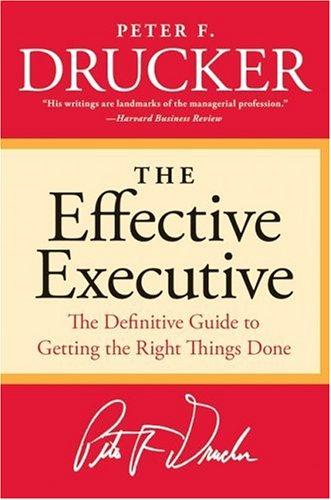
Why It's On My Shelf
Drucker wrote this nearly sixty years ago and it remains shockingly relevant. His central argument that effectiveness can be learned, not inherited, is liberating for anyone who feels they were not born a natural leader. The book organizes around five practices: knowing where your time goes, focusing on contribution rather than effort, building on strengths instead of fixing weaknesses, concentrating on the few areas where superior performance produces outstanding results, and making effective decisions. I revisit the time management chapters regularly when I feel my focus slipping, particularly his advice to consolidate discretionary time into large blocks rather than scattering it across the day. His insistence that executives ask what needs to be done rather than what do I want to do has saved me from countless self-indulgent detours. The writing is crisp and the ideas are foundational to everything that came after in management thinking.
CEO Excellence
Carolyn Dewar, Scott Keller, Vikram Malhotra
The definitive guide to what it takes to be an excellent CEO, based on extensive research with top-performing chief executives worldwide.
View on Amazon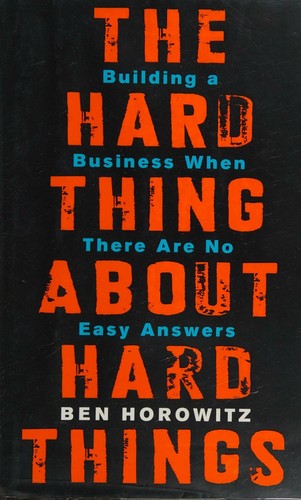
The Hard Thing About Hard Things
Ben Horowitz
Ben Horowitz offers essential advice on building and running a startup, sharing the insights he's gained developing, managing, selling, buying, investing in, and supervising technology companies.
View on Amazon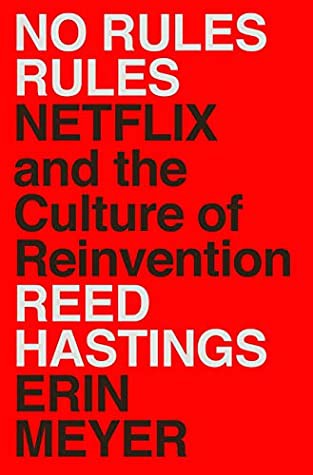
No Rules Rules
Reed Hastings, Erin Meyer
Netflix cofounder Reed Hastings reveals the unorthodox culture behind one of the world's most innovative, imaginative, and successful companies.
View on Amazon